Why Small Weddings Are Reshaping Celebrations in 2027 – The wedding landscape is undergoing a profound transformation. Across the United States and beyond, couples are deliberately choosing intimacy over spectacle, substance over scale. According to The Knot’s 2026 Real Weddings Study, the average cost per wedding guest has reached $292, and the average guest count hovers around 117 . These figures reveal a striking reality: the more people you invite, the more you spend, and the less time you actually have to connect with each of them.
Yet the shift toward smaller weddings is not merely financial. It reflects a deeper cultural reevaluation of what constitutes a meaningful celebration. Couples are asking themselves a fundamental question: do we want to host an event, or do we want to experience a wedding? The distinction matters enormously.
This comprehensive guide explores over twenty practical, detailed small wedding ideas tailored for 2027. Each idea is designed to help you create a celebration that feels generous, intentional, and deeply personal—regardless of whether your guest list numbers ten or fifty.
Understanding the Spectrum of Small Weddings
Before diving into specific ideas, it is essential to understand the terminology that defines smaller celebrations in 2027.
An intimate wedding typically accommodates between 20 and 50 guests. A micro wedding generally involves 10 to 20 people. A mini wedding usually includes no more than 10 guests. And an elopement often consists solely of the couple, an officiant, and perhaps a few witnesses .
The common thread across all these formats is intentionality. As wedding planner Amy Lynn of Brooklyn’s Poppy + Lynn observed, “Having a smaller guest count allows even more focus on small touches and personal details” . This principle should guide every decision you make.
Venue Ideas for Intimate Celebrations
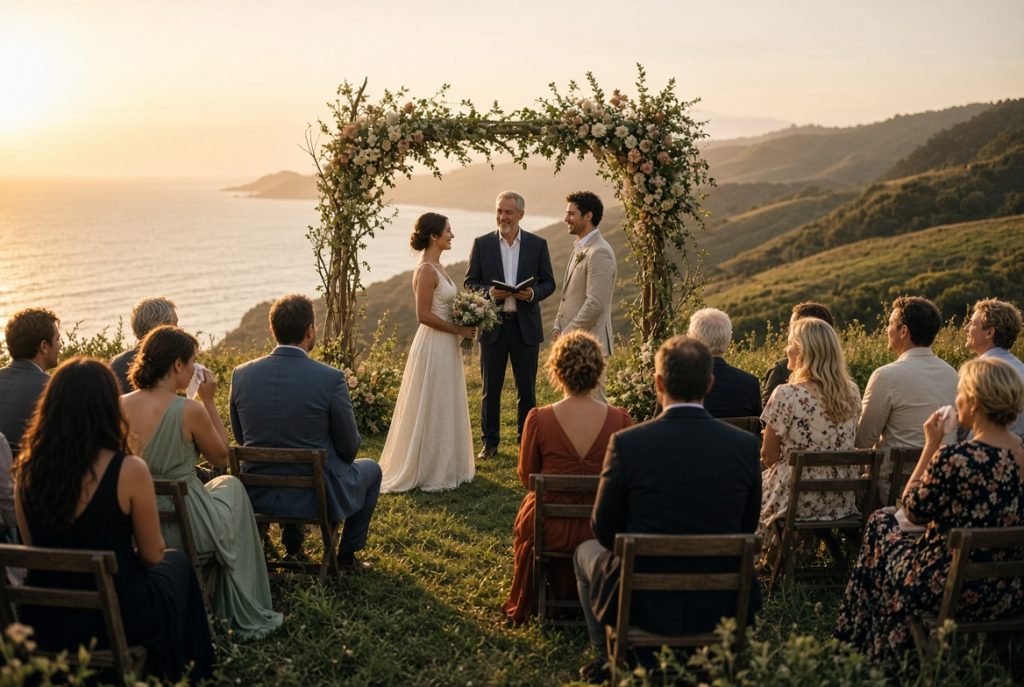
1. Destination Weddings with a Tight-Knit Guest List
One of the most liberating aspects of a small wedding is the freedom to choose a destination without worrying about logistics for hundreds of people. A destination wedding in 2027 is not about escaping your loved ones; it is about gathering them in a place that holds genuine significance for you as a couple.
Popular destinations for intimate weddings include national parks, coastal retreats, and international locales that would be impractical for larger groups. The key advantage is that you can select a location based on emotional resonance rather than capacity constraints.
2. All-Inclusive Wedding Packages
For couples planning a destination celebration, all-inclusive packages offer a streamlined approach that reduces both stress and expense. Many tropical resorts and specialized venues provide comprehensive packages covering venue, catering, decoration, and coordination.
A practical recommendation from experienced planners: even with all-inclusive packages, consider bringing your own photographer and videographer. The quality of documentation varies significantly, and these are the memories you will revisit for decades.
3. The Backyard Wedding, Reimagined
The backyard wedding has evolved far beyond its humble origins. In 2027, this option represents not a compromise but a deliberate choice for couples who value comfort, authenticity, and freedom from venue restrictions.
A well-designed backyard celebration can accommodate ceremony, cocktail hour, dinner, and dancing without the rigidity of traditional venue timelines. The savings on venue rental can be redirected toward upgraded catering, superior photography, or other elements that matter to you. As The Laundry Event Hall notes, “design-forward venues with character” are increasingly sought after, and a thoughtfully prepared backyard can offer precisely that sense of identity .
4. Celebrating at a Beloved Restaurant
Why not exchange vows at the restaurant where you had your first date, or the establishment that has become your weekly ritual? For small weddings, restaurants offer distinct advantages: built-in ambiance, professional service, and menus that are already proven.
From Michelin-starred establishments to beloved neighborhood spots, the restaurant wedding removes the burden of creating atmosphere from scratch. You simply step into a space that already tells a story.
5. Rental Properties and Airbnb Weddings
When your guest list is small, rental properties become viable and often superior alternatives to traditional venues. A private estate, a historic home, or a thoughtfully designed Airbnb can serve as the backdrop for every element of your celebration.
Transparency with property owners is essential. Some rentals have restrictions on events, and others may charge additional fees. Discuss your plans openly from the beginning to avoid complications.
6. Unique Ceremony Locations
A small guest count unlocks ceremony locations that would be impossible with a larger group. National parks, botanical gardens, historic landmarks, and scenic overlooks become accessible when you are not attempting to coordinate hundreds of attendees.
When exploring venues, specifically ask about intimate ceremony options. Many locations have special permits or designated areas for small weddings that are not widely advertised.
7. Beach Weddings with Built-In Beauty
A beach wedding exemplifies the principle that natural beauty requires minimal decoration. The ocean, the sand, and the sky provide a backdrop that no floral arrangement can replicate.
Beach locations are often more affordable than traditional venues, though you must verify whether permits are required. An alternative approach is renting a property with ocean views, combining the benefits of a beach setting with the comforts of a private residence.
Guest List and Wedding Party Considerations
8. Keeping Your Wedding Party Small or Eliminating It
Traditional wedding parties with ten or more attendants create logistical complexity: coordinating attire, managing schedules, and ensuring everyone is where they need to be. For a small wedding, consider limiting your wedding party to one attendant each, or eliminating the wedding concept entirely.
If you value the symbolism of having a maid of honor or best man, by all means include them. But do so because you feel genuinely connected to the tradition, not because you feel obligated.
9. A Guest List Built on Real Connection
The most important decision in planning a small wedding is determining who belongs on the guest list. The guiding principle is simple: invite the people who are actively present in your lives, not those you feel obligated to include.
This conversation can be challenging when family expectations are involved. Setting a firm maximum number early creates a boundary that guides every subsequent decision. As one wedding planning resource suggests, a guest list of 50 to 150 can still feel energetic and celebratory while maintaining genuine intimacy .
10. Virtual Invitations for Extended Circles
Technology offers a solution for including those who cannot attend physically without expanding your in-person guest list. Virtual wedding ceremonies have become increasingly accepted, and sending e-invitations to extended family and friends allows them to witness your vows without the logistical and financial implications of physical attendance.
Ceremony and Reception Innovations
11. Weekday, Sunrise, and Sunset Ceremonies
Traditional weddings cluster on Saturday evenings, driven by guest convenience. Small weddings free you from this constraint. A Tuesday morning ceremony, a sunrise exchange of vows, or a sunset celebration offers multiple advantages: lower venue rates, fewer crowds at public locations, and the most flattering natural light for photography.
12. Standing Ceremonies
Chairs for ceremony seating represent a significant expense that serves a fleeting purpose. For a small wedding, consider a standing ceremony. If accessibility is a concern for some guests, provide a small number of chairs for those who need them.
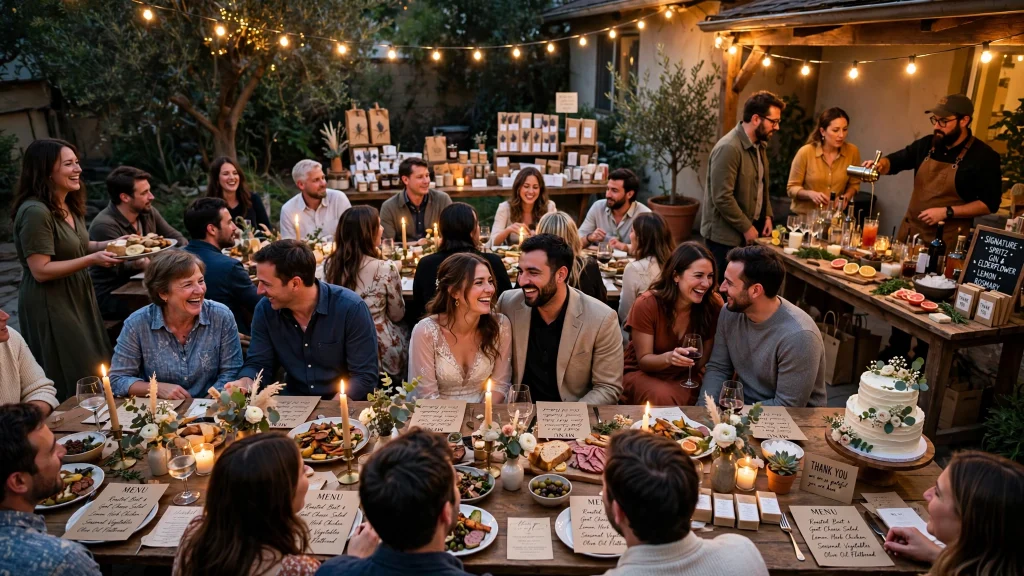
13. Family-Style Receptions
A long communal table transforms a reception into a dinner party. Family-style service—where platters are passed and guests serve themselves—encourages conversation, reduces catering costs, and creates a warm atmosphere that plated service cannot replicate.
The Knot’s 2026 data shows that catering, cake, and drinks account for approximately 24% of wedding budgets . Family-style service can significantly reduce per-person costs while actually increasing the quality of the food you can offer.
14. Intimate Boat Dinners
A private boat ride combines ceremony and reception into a single memorable experience. Picture exchanging vows on the water, then enjoying a meal prepared and served on board as the sun sets. This option works particularly well for small groups and offers a sense of adventure that traditional venues cannot match.
15. Unique Activities Integrated into the Day
With a small guest list, you can incorporate activities that would be impractical for larger groups. A morning hike before the ceremony, a visit to a local zoo, a surfing lesson, or a wine tasting tour—these shared experiences transform your wedding from an event into an adventure.
Culinary and Beverage Ideas
16. Splurging on a Small, Exceptional Cake
A large wedding cake often sacrifices quality for quantity. A small wedding allows you to commission a cake from your favorite bakery—something truly exceptional that your guests will remember. Alternatively, consider a dessert display featuring multiple smaller desserts from local artisans.
17. Signature Cocktail Experiences
Rather than a full open bar, consider an interactive signature cocktail moment. A bartender can guide guests through making your favorite drink, creating both entertainment and a personal touch. Provide the ingredients for a hands-on experience, or simply offer a carefully crafted signature drink that tells a story about you as a couple.
18. Guest Markets Instead of Traditional Favors
One of the most engaging trends for 2027 is the guest market—a curated station where guests select a gift to take home. This might include local artisan goods, small-batch honey, custom-embroidered hats, or handmade items that reflect your wedding location or personal style .
The guest market transforms a functional detail (the favor) into an interactive experience that adds meaning to the celebration.
Design, Decor, and Attire
19. Splurging on Details You Genuinely Love
The money saved by reducing your guest list can be redirected toward elements that matter deeply to you. Personalized vow books, a unique wedding arch, custom accessories, or exceptional floral design for your ceremony backdrop—these are the details that will appear in your photographs and remain in your memory.
20. The Micro Veil and Statement Accessories
Bridal fashion in 2027 is embracing the statement accessory. The micro veil—a short, face-framing piece rather than a traditional long train—offers vintage elegance without overwhelming a small ceremony setting . Sculptural mini bags, crystal hairpins, and layered anklets are also making significant appearances .
The guiding philosophy is less about matching everything and more about adding one unexpected detail that makes the entire look feel considered and personal.
21. Make or Buy a Small Wedding Bouquet
Bridal bouquets can range from $250 to over $350, and expenses escalate quickly when you include attendants. For a small wedding, consider creating your own bouquet from flowers you love, or commission a smaller, more focused arrangement from a florist.
22. Intentional Stationery and Handwritten Details
The 2027 aesthetic favors editorial simplicity with moments of whimsy. Hand-drawn menus, scalloped edges, and handwritten thank-you notes tucked into favors reflect a broader trend toward intentionality . These details may be small, but they communicate care and thoughtfulness to every guest.
Logistics and Planning Framework
23. Multi-Day Adventures
Who decreed that a wedding must last a single day? A small wedding can expand into a multi-day experience: a welcome dinner on Friday, the ceremony on Saturday, and a farewell brunch on Sunday. Activities like hiking, surfing, or wine tasting can be woven into the weekend, transforming your wedding into a retreat that guests will cherish.
24. Off-Peak Dates and Venue Flexibility
Choosing a weekday or off-season date can substantially reduce venue and vendor costs. A small guest list makes this flexibility possible, as you are not coordinating the schedules of hundreds of people.
25. DIY Elements and Budget Allocation
Wedding costs can escalate rapidly. The Knot reports that the average wedding cost exceeds $33,000, but couples spending under $15,000 invited an average of 89 guests . A small wedding allows you to allocate your budget strategically: splurging on what matters (photography, food, venue) and saving on what does not (extensive decor, large wedding party, elaborate favors).
A Framework for Planning Your Small Wedding
As you begin planning, consider this structured approach:
First, define your vision. What style, atmosphere, and experience do you want to create? A relaxed backyard gathering differs fundamentally from an elegant restaurant dinner. Clarity here guides every subsequent decision.
Second, establish your budget. Determine your total available funds, then allocate them into categories based on your priorities. The Knot’s budget breakdown suggests venue (29%), catering (24%), and photography (10%) as the largest categories .
Third, determine your guest list. Start with immediate family and closest friends. Set a maximum number and allow it to guide all decisions. If the list feels overwhelming, reduce it further.
Fourth, select your venue and date. With a small guest list, you have flexibility. Choose a location that reflects your story and a date that works for your key attendees.
Fifth, hire vendors who understand intimate celebrations. Look for photographers, caterers, and planners who specialize in small weddings. Their expertise will be invaluable.
Finally, embrace the freedom. A small wedding liberates you from obligation-driven decisions. You can wear what you love, serve what you love, and celebrate exactly as you wish.
Conclusion
The small wedding movement of 2027 is not a retreat from grandeur but an embrace of something more valuable: genuine connection, intentional design, and the freedom to create a celebration that reflects who you truly are. Whether you gather ten people in a national park or fifty in a beloved restaurant, the principles remain consistent. Prioritize meaning over spectacle. Invest in what matters. And remember that the measure of a wedding is not the number of guests but the depth of the experience shared.
Your wedding day belongs to you. Make it small, make it personal, and make it unforgettable.